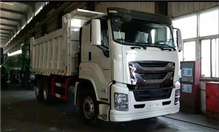
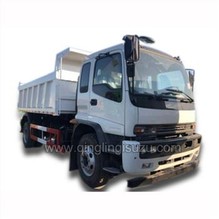
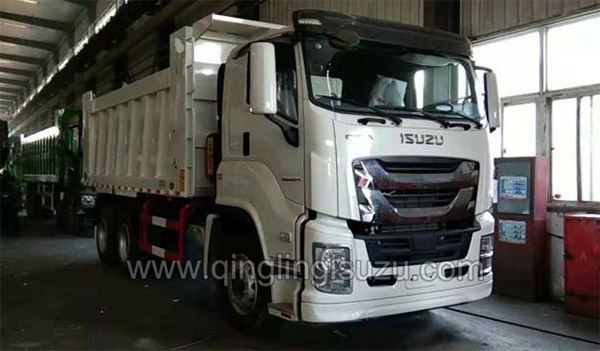
A heavy truck is an indispensable road vehicle in the transport industry. A truck with a gross mass of more than 14 tonnes is classified as a heavy truck according to its load mass.
Our Isuzu GIGA heavy trucks are divided into tractors head, complete vehicles and chassis for special purpose vehicles. Tractors head are basically used for logistics.
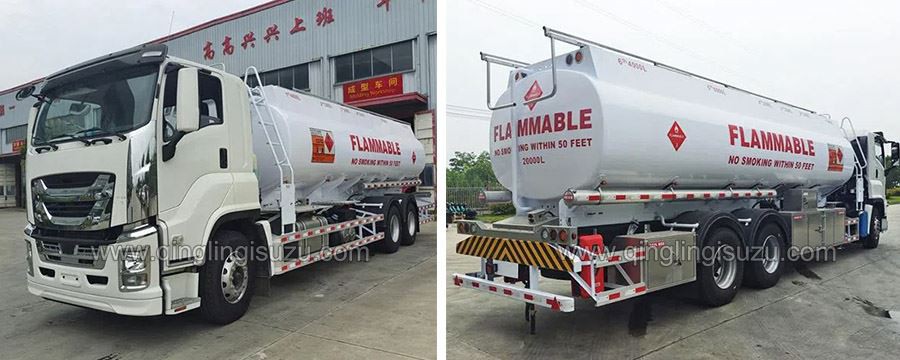
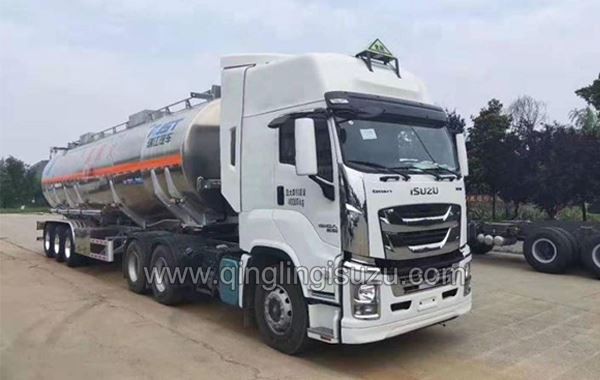
There are 6x4 and 4x2 tractor trailers for general cargo and hazardous products. The lorries are used in both logistics and construction material transport
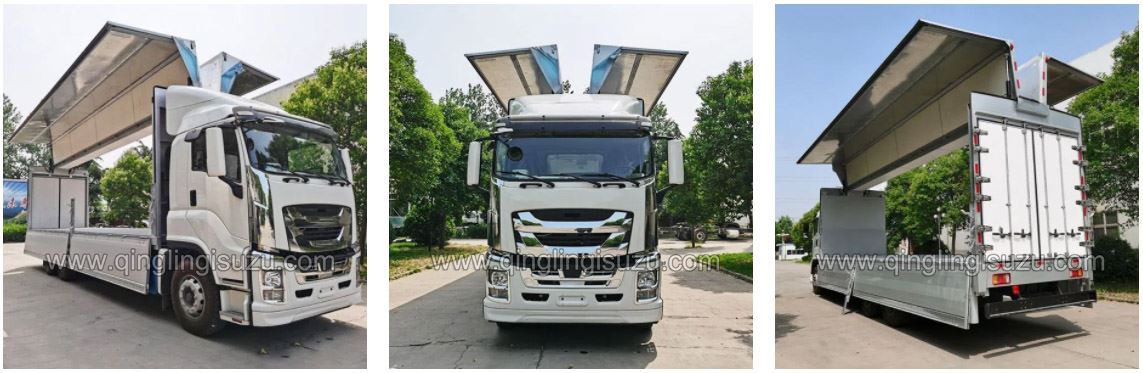
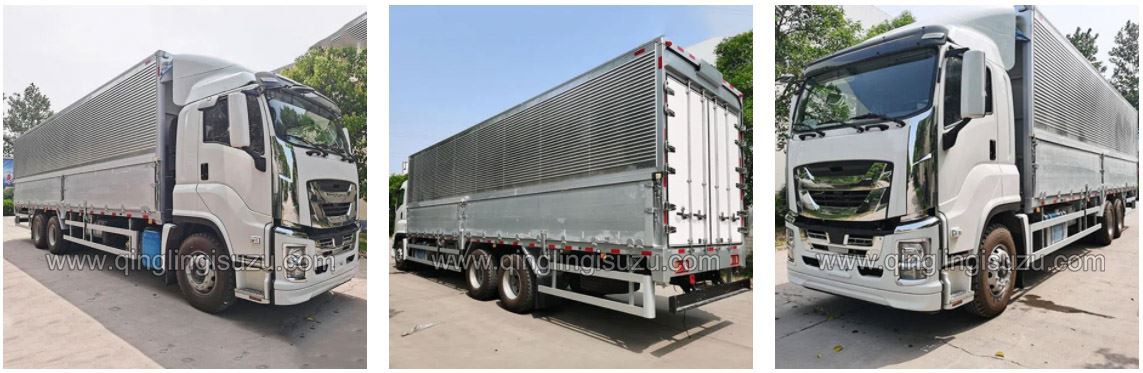
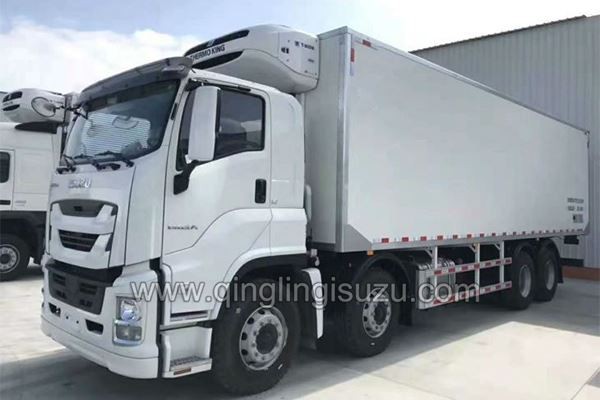
The complete vehicles are divided into 4x2, 6x4 and 8x4 vans, refrigerated vans, panel vans and warehouse vans respectively.
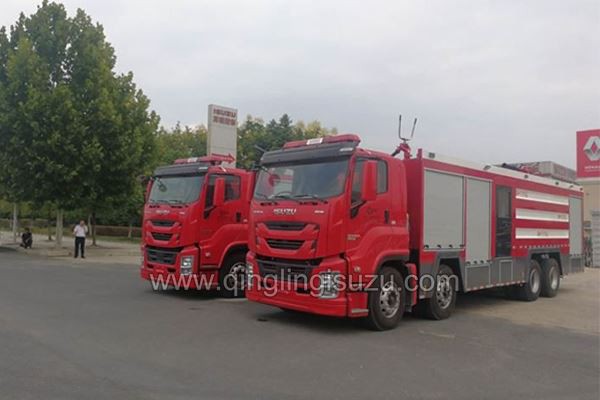
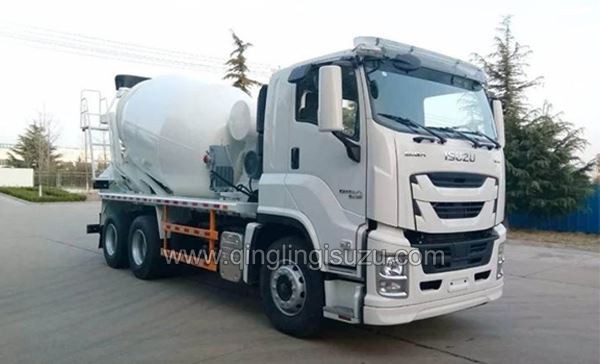
Chassis are 4x2, 6x4 and 8x4, which are basically used for the transport of construction materials and municipal projects.
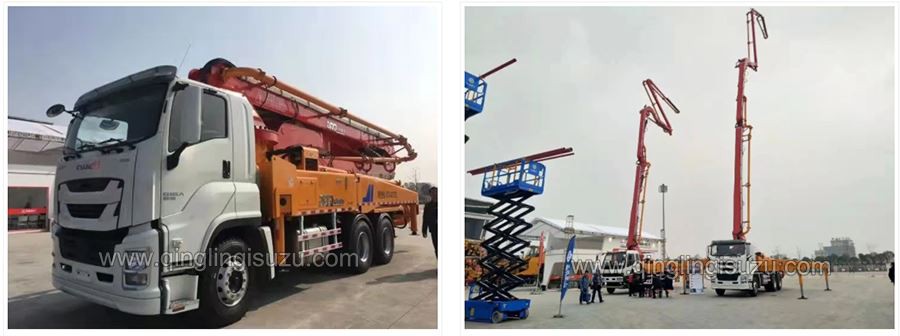
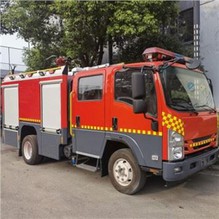
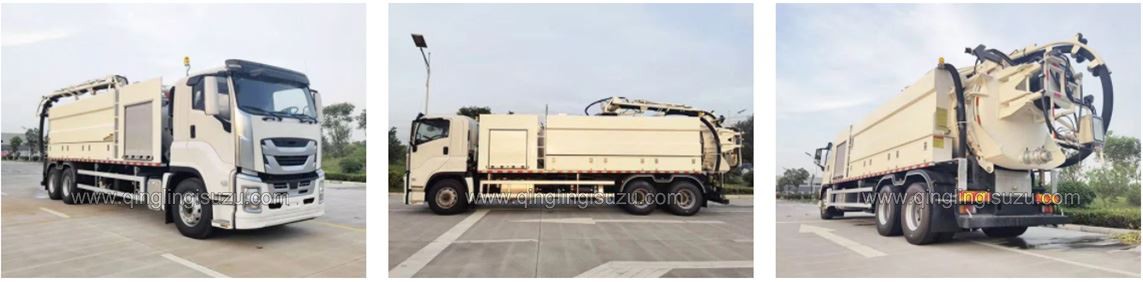
Combination Vacuum Jetting Truck
The GIGA trucks are powered by the 6W and 6U engines.
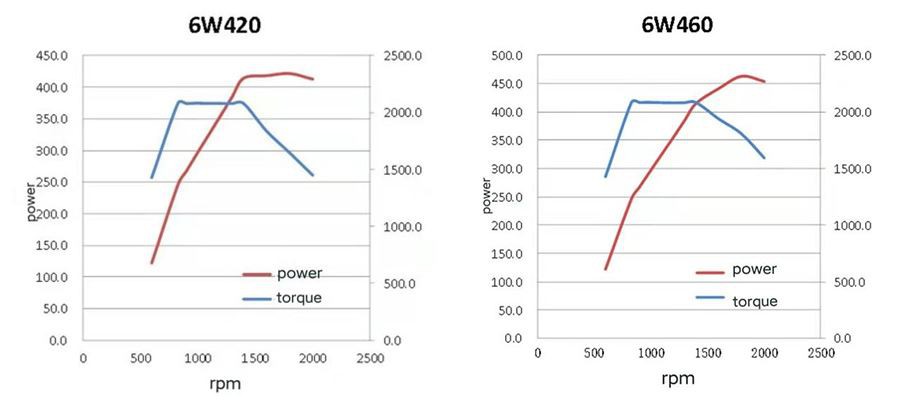
The 6W engine offers 420 and 460 hp.
High torque at low speeds, continuous maximum torque in the 800-1400rpm range.
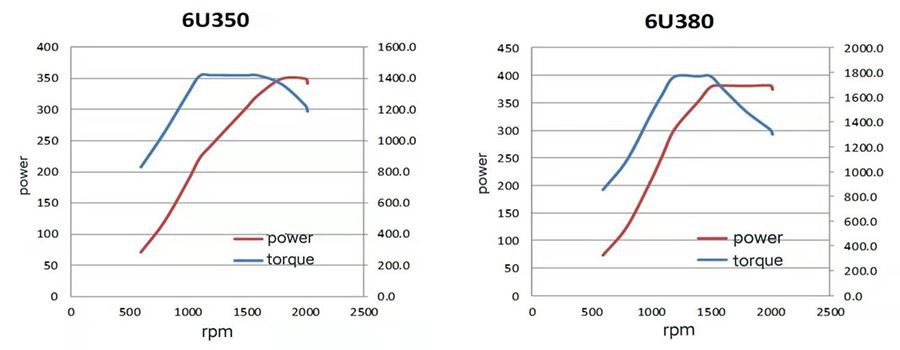
The 6U engine offering 350 and 380 hp
High torque at low speeds and sustained maximum torque in the 1100-1600rpm range
Original Isuzu engine quality, no overhaul required for 1.5 million kilometres. The pursuit of fuel consumption performance in the practical rev area where it is used frequently, from boosting to cooling and multi-point fuel injection, the pursuit of maximising fuel cost reduction and achieving high torque, large economic rev area and strong power.
A large number of high-strength and lightweight materials are used, and computer-aided design and finite element analysis are adopted to improve structural strength and reduce product consumables, so that the whole vehicle can achieve light weight.
The 6X4 tractor has an announced curb weight of 8,800kg, but it can achieve a weight reduction of 300-500kg by lightening the frame, configuring fewer leaf springs and aluminium alloy wheels.
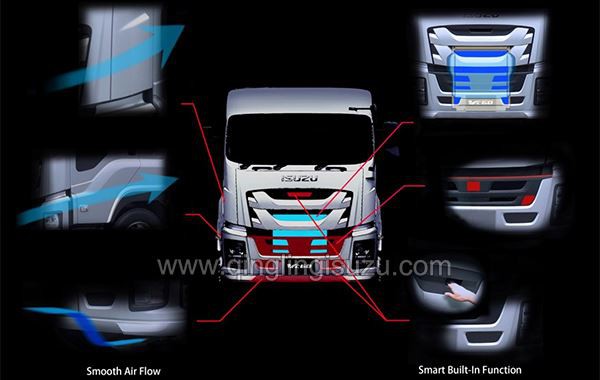
The front is simple.
The integrated design of the grille and bumper gives a strong and powerful impact.
Focus on "fatigue reduction"
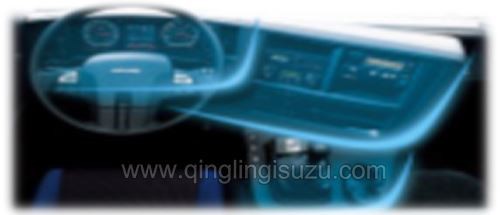
Trendy aero cockpit design
The semi-wrap-around dashboard eliminates the feeling of a cramped driving space while retaining functionality. The switches and devices on the dashboard have been designed to be more accessible and easier to operate, thus contributing to safe driving and reducing fatigue. The flexibility of the various devices has been significantly increased. This is a state-of-the-art cab that has been designed after a thorough analysis of the movements of heavy trucks in driving conditions.
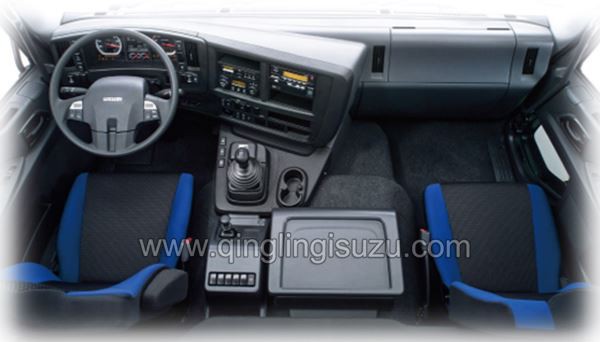

The switches are divided according to the frequency of use.
In conjunction with the semi-wrap-around dashboard, the switches are integrated into the dashboard and around the dashboard. The switches are divided and grouped by function according to the frequency of use.
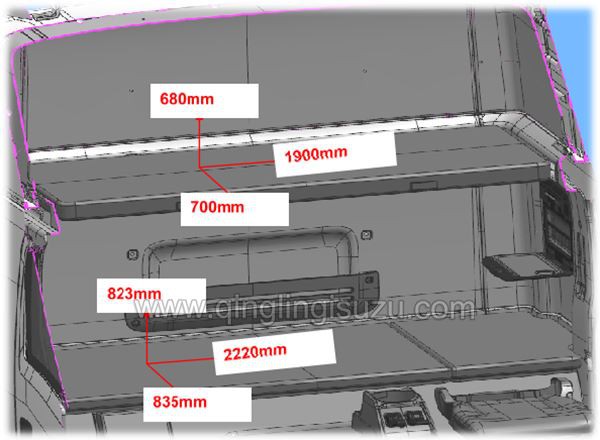
Extra large cab space
Longer and wider than similar imported and domestic trucks, creating the most spacious cabin in the world.
Spacious interior cabin with upright position for the driver and passengers.
Double deck bunk, spacious, and the driver can sit upright without touching his head when resting.
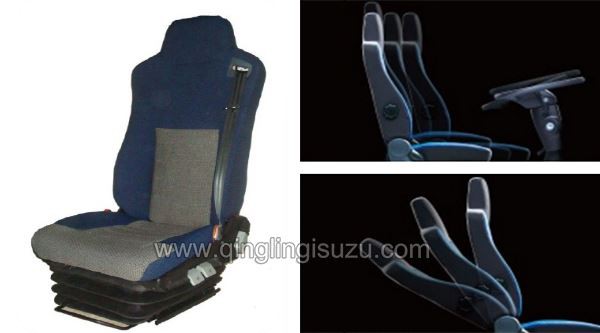
Integrated anti-fatigue air suspension seat with shoulder straps
The enlarged headrest optimises the leaning of the left and right shoulder protrusions;
The seat surface is long and wide, ensuring ample space; the cushion is made of a material that disperses body pressure, resulting in low rebound and increased ride comfort;
The seat surface has been upgraded with a mesh design for breathability;
The adjustable seat support and lumbar support functions are gearless and can be adjusted to suit the driver's body type.
The driver's seat enhances comfort and reduces the fatigue of long-distance driving.
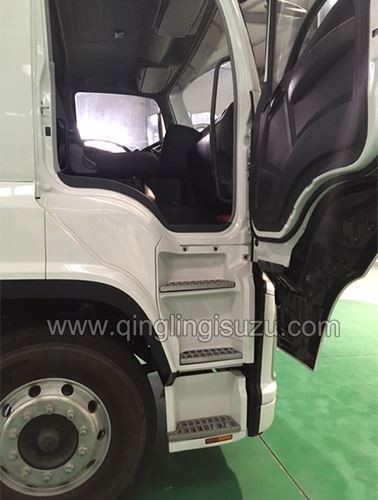
Ergonomic design
Ergonomics are taken into account from the very beginning of the vehicle design
Multi-stage footrests
The two-stage footrests and pull handles take into account the human standing behaviour and allow for a more normal posture when cleaning the glass.
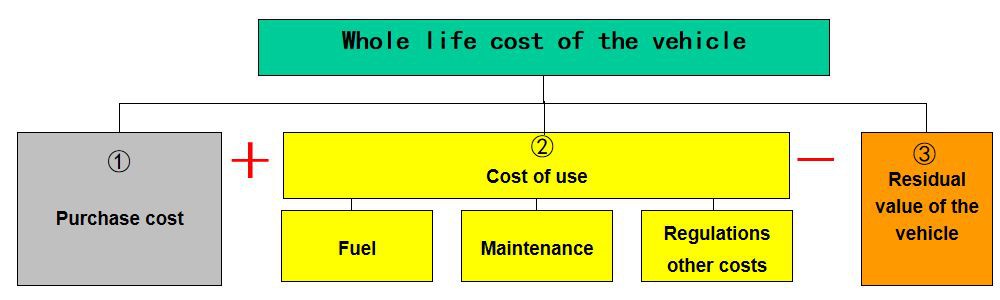
The GIGA combines low fuel consumption and high reliability with a whole life cost advantage
Whole life cost of the vehicle: purchase cost + cost of use (fuel, maintenance, fees, road and bridge costs and labour) - residual value of the vehicle